Rune / Zune-Inspired Music Player
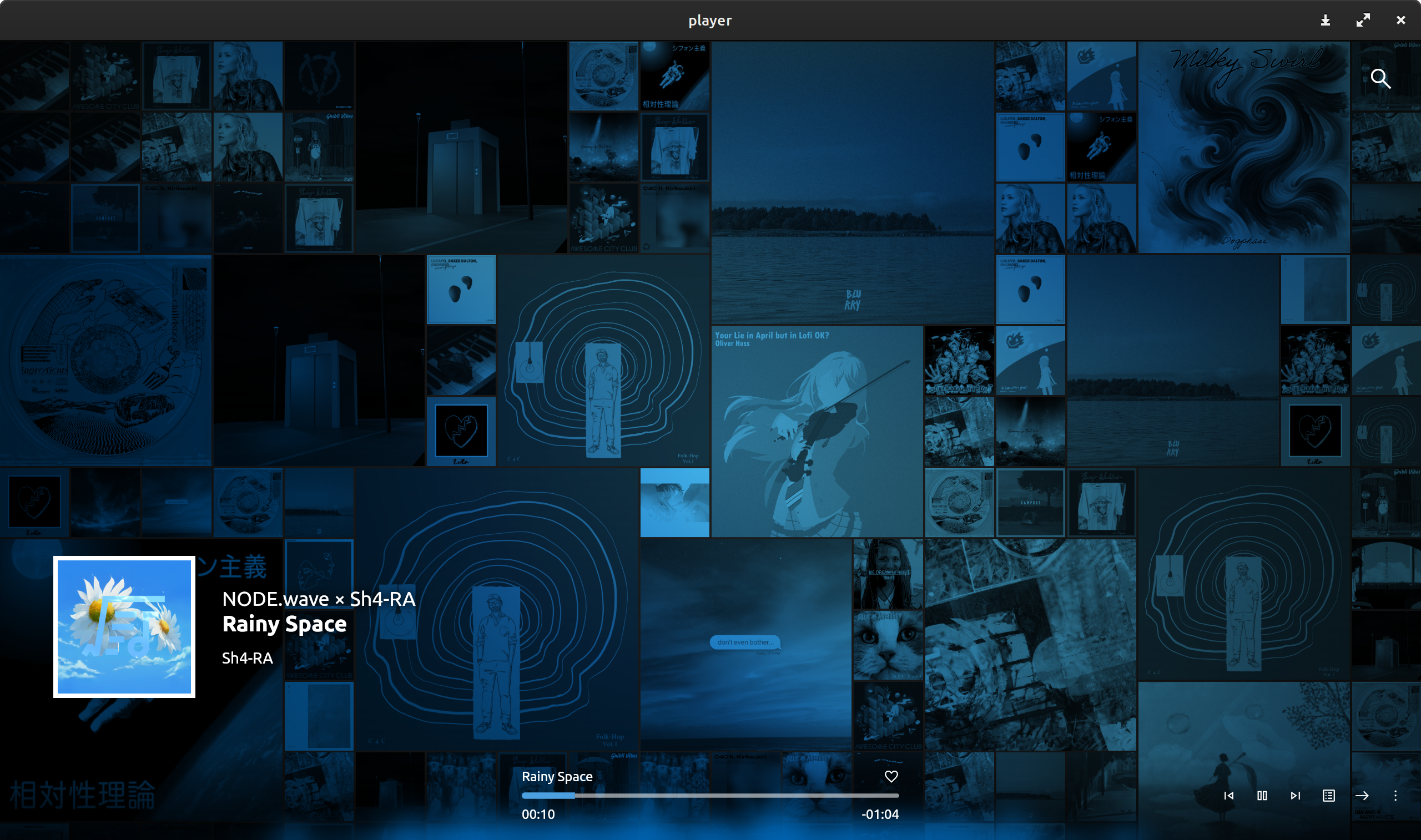
Rune is an open-source, Zune-inspired music player shipped on Steam, Microsoft Store, and the App Store. Then I ran a formal UX study on my own design.
TL;DR
- Users loved Rune's nostalgic design language, which it was also the source of their biggest usability friction.
- 38 survey + interview participants mapped exactly where nostalgia helps (identity, delight) and where it hurts (discoverability, conventions).
- Findings fed directly into subsequent releases: a live research-to-roadmap loop on a product with real users.
CONTEXT
A modern take on a classic UI.
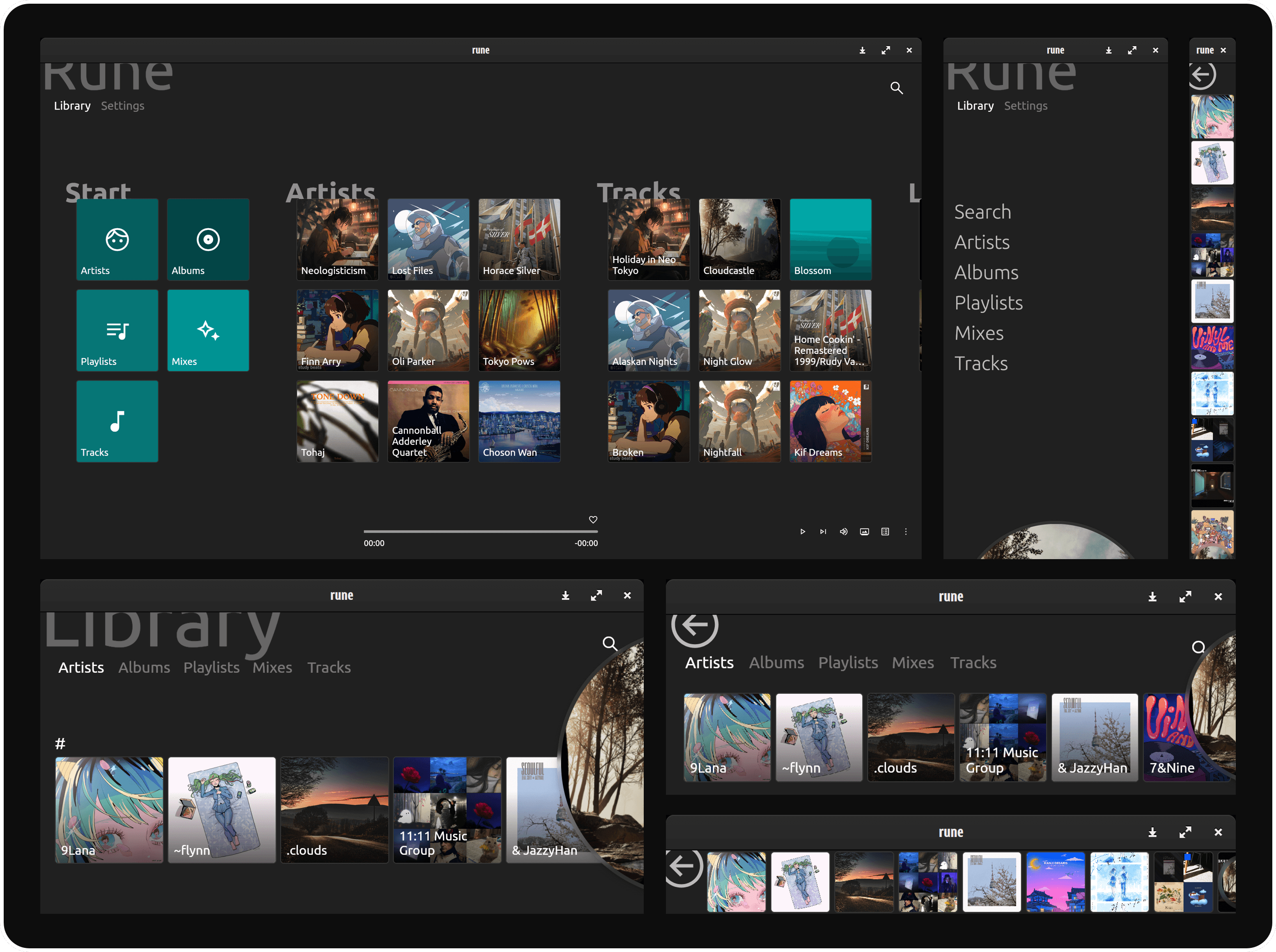
Rune began as a design experiment: a music player reviving the tactile, neumorphic/skeuomorphic design language of a past era. It found an audience, press coverage, store distribution, a contributor community.
But nostalgia is a hypothesis, not a finding. Stars and downloads measure arrival, not daily usability.
The research problem: does the design language that attracts users also serve them in daily use?
Role
Creator, maintainer & UX researcher
Type
Open-source product (self-initiated)
Community
17 contributors, 150+ PRs
Distribution
Steam, Microsoft Store, App Store
RESEARCH QUESTIONS
Where does the nostalgic design language help, and where does it hurt?
Separating aesthetic appeal from functional friction.
What do daily-use patterns reveal that app-store reviews don't?
Interviews beyond the vocal-minority feedback channels.
Which findings should change the roadmap?
Prioritization under solo-maintainer constraints.
METHODS
Studying my own product.
method one
Survey (n=31)
Distributed to the user community; satisfaction, feature usage, and design-language perception batteries.
method two
Interviews (n=7)
Semi-structured, sampled across satisfaction levels to reach beyond the vocal minority of review channels.
ON RESEARCHER BIAS
Being the creator is a confound. Mitigations: anonymous survey collection, interview guide reviewed against leading questions, coding done against an explicit framework, and a personal rule, every finding that criticized a beloved design decision got extra scrutiny, not less.
this section is the whole point
KEY FINDINGS
finding 01
The tension
Nostalgic design language vs. modern usability expectations. The same aesthetic that earned stars created friction in navigation conventions and control discoverability.
finding 02
The loop
Findings were prioritized into the roadmap and shipped in subsequent iterations: research didn't end in a report, it ended in releases.
What the community said.
“It feels like my old iPod came back to life, and I open it just to look at it.”
Survey respondent · aesthetic delight
“The first time I opened it, I honestly couldn't find my playlists.”
Interview participant · first-run friction
“Didn't expect a free app from GitHub to feel this polished.”
Store review · polish
“Love it, but with 40k tracks, the library view starts to creak.”
Power user · feature request
SO WHAT
Findings that shipped.
Finding
First-run discoverability friction
Change
Onboarding + convention-aligned navigation revision
Finding
Control affordances unclear in neumorphic style
Change
Affordance pass: depth used only where interaction exists
Finding
Power users wanted library scale
Change
Performance + library management iteration
GitHub stars
PRs merged
contributors
platforms (Win · macOS · Linux · SteamOS · iOS · Android)
official stores (Steam · MS Store · App Store)
survey + interview participants
LIMITATIONS & REFLECTION
What I’d tell another researcher-builder.
Community self-selection shapes everything: survey respondents are the engaged survivors, not the users who bounced. The findings describe people who stayed.
The interview sample is small (n=7), and creator-bias mitigations are partial by nature: anonymity and framework coding reduce the confound; they do not remove it.
Nostalgic-design findings may not transfer to products without an aesthetic-first value proposition.
Reflection: researching your own product is the cheapest way to learn humility, and the fastest research-to-impact loop a researcher can run.
“The stars tell you people arrived. The research tells you why they stay.”