EUP / Child Reading Support
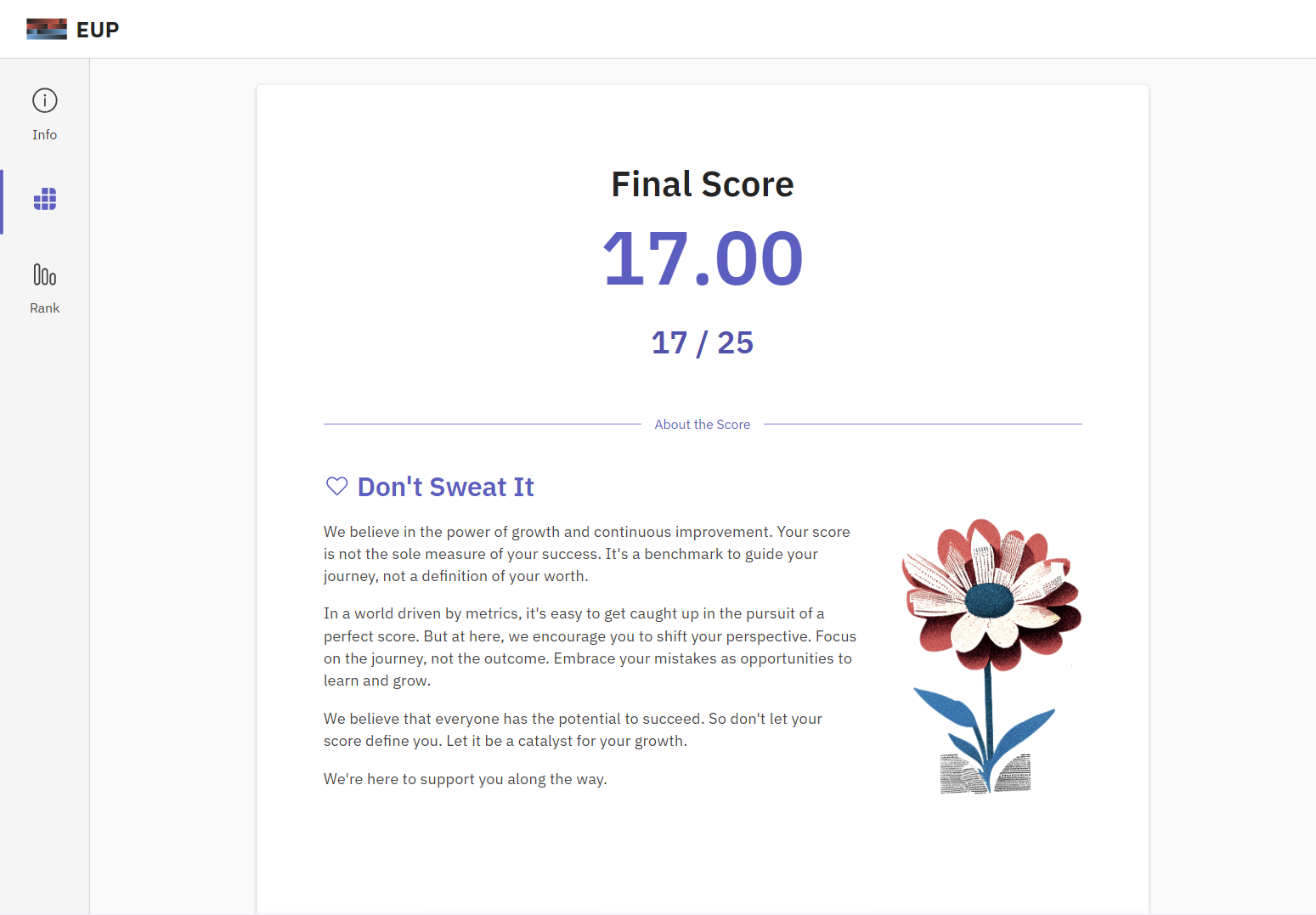
EUP is a reading-support product for children with dyslexia and ADHD, my own project, which I brought into an education-technology company and which later returned to me when the organization’s priorities shifted.

TL;DR
- Market scan showed attention-training and reading-assistance features scattered across separate products.
- EUP integrates four evidence-grounded mechanisms, repetition, visual guidance, adaptive highlighting, and scaffold fading, into one reading experience.
- The product is designed to reduce its own scaffolding as the reader improves.
Role
Product research & design
Domain
Education, child reading
Status
Independent project (paused)
Methods
Market & competitive analysis, literature-grounded design, user-demand analysis
AUDIENCE
Who it's for
Children with dyslexia and ADHD, readers who face challenges with working memory, attention maintenance, and speed of information processing.
Reading material: popular-science articles children actually find interesting.
Working memory
Challenges holding and manipulating what was just read.
Attention maintenance
Staying with a text long enough to understand it.
Processing speed
Slower speed of information processing than peers.
THE DESIGN
Four evidence-grounded mechanisms
Each mechanism is grounded in reading research, and each is designed to withdraw itself as the reader’s own strategies take over.
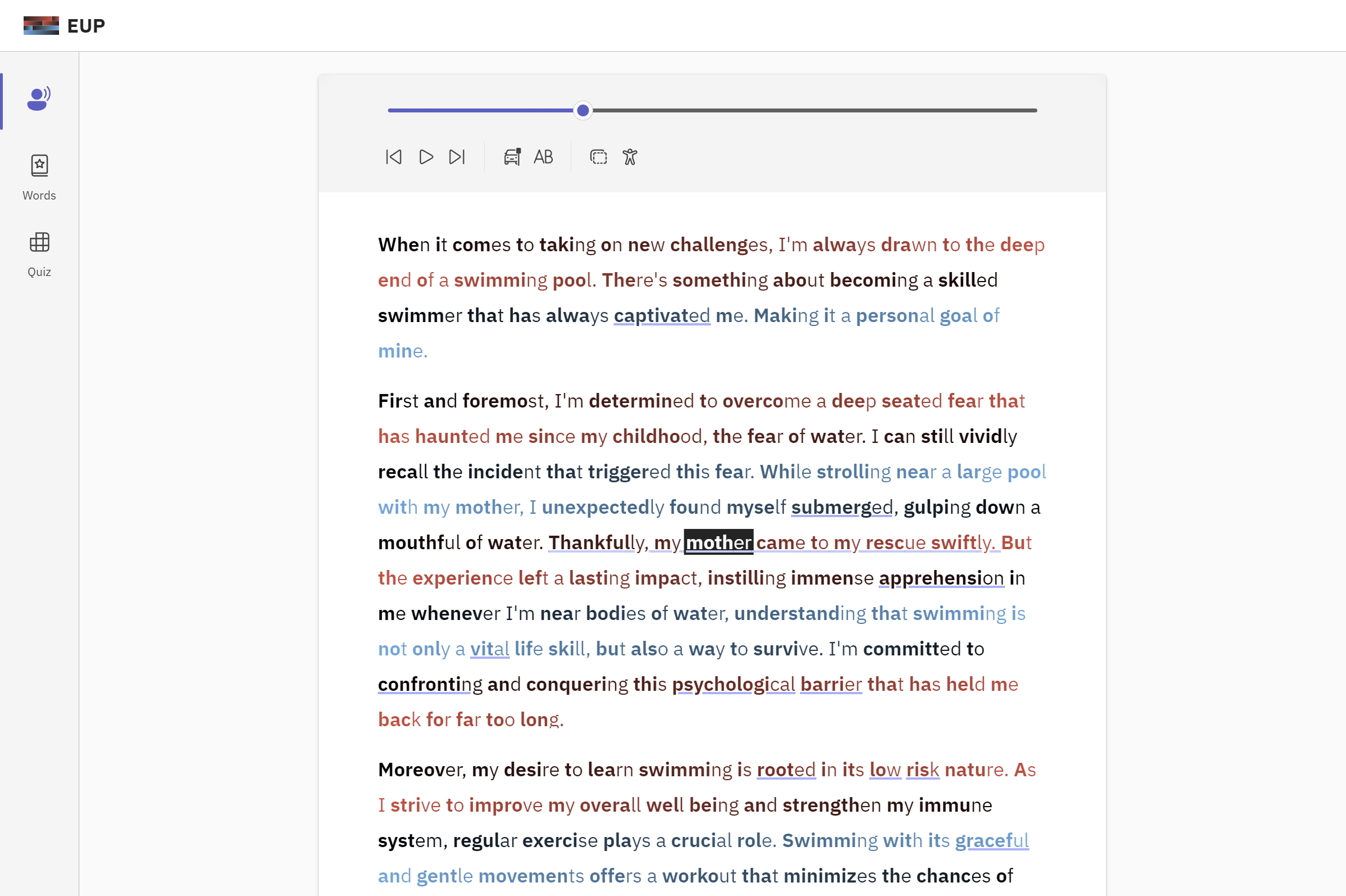
Repetition
Loop a single word, phrase, or entire sentence to reinforce understanding and memory.
Visual aid
Bold or highlight key vocabulary to speed up information processing, with configurations for different cognitive levels.
Cognitive enhancement
Adjust highlight range and style to the reader's ability for personalized support.
Long-term improvement
Gradually reduce assistance and raise difficulty within the zone of proximal development, so the scaffold fades as capability grows.
RESPONSIVE SCAFFOLDING
Continuous support across handheld and desktop workflows.
Children with attention challenges transition frequently between supervised desktop learning sessions and independent handheld reading. The design scales its visual cues, touch targets, and cognitive scaffolds across viewport form factors.
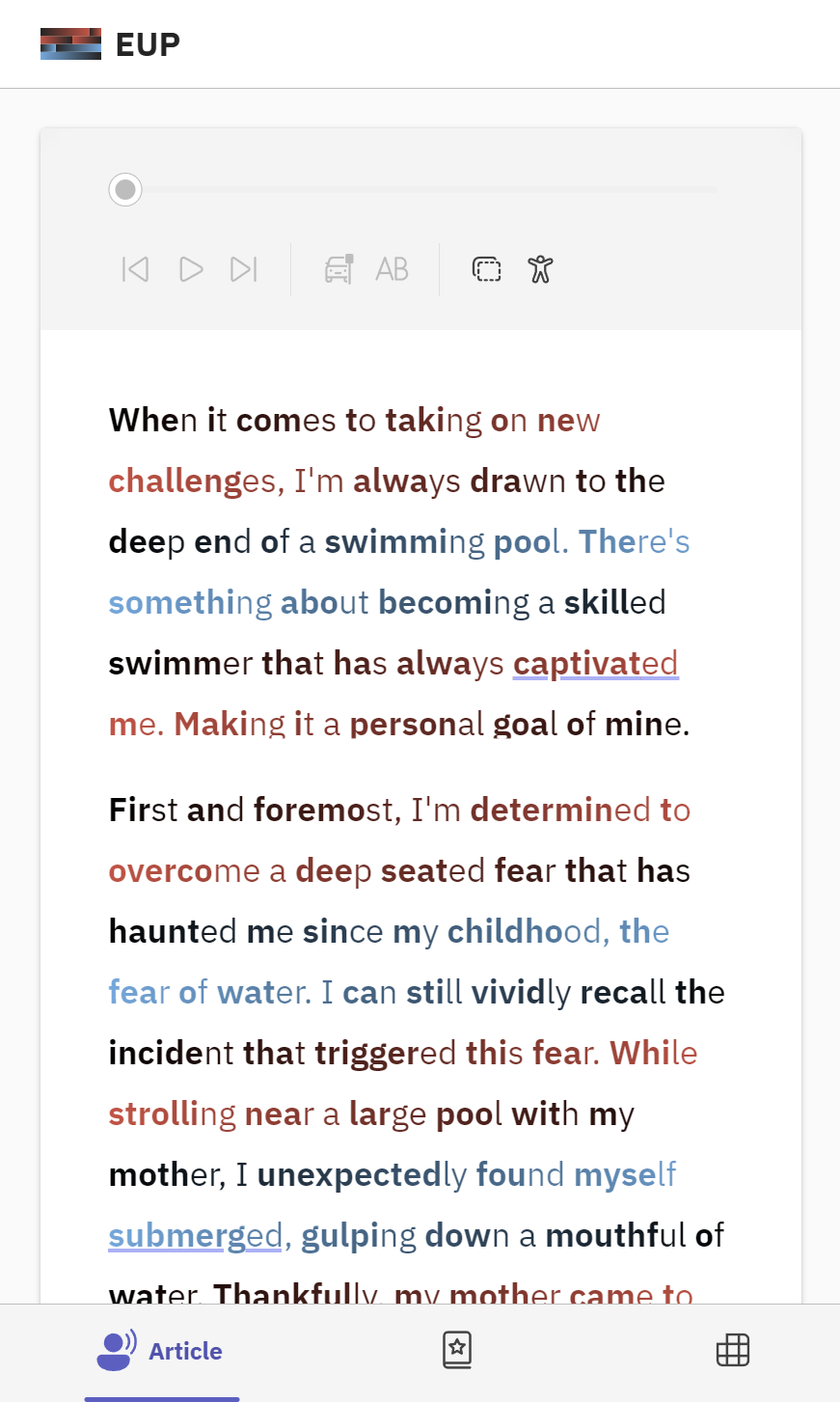
Mobile Assisted Reader
Dynamic text chunking and colored syllable anchors optimized for vertical phone viewports.
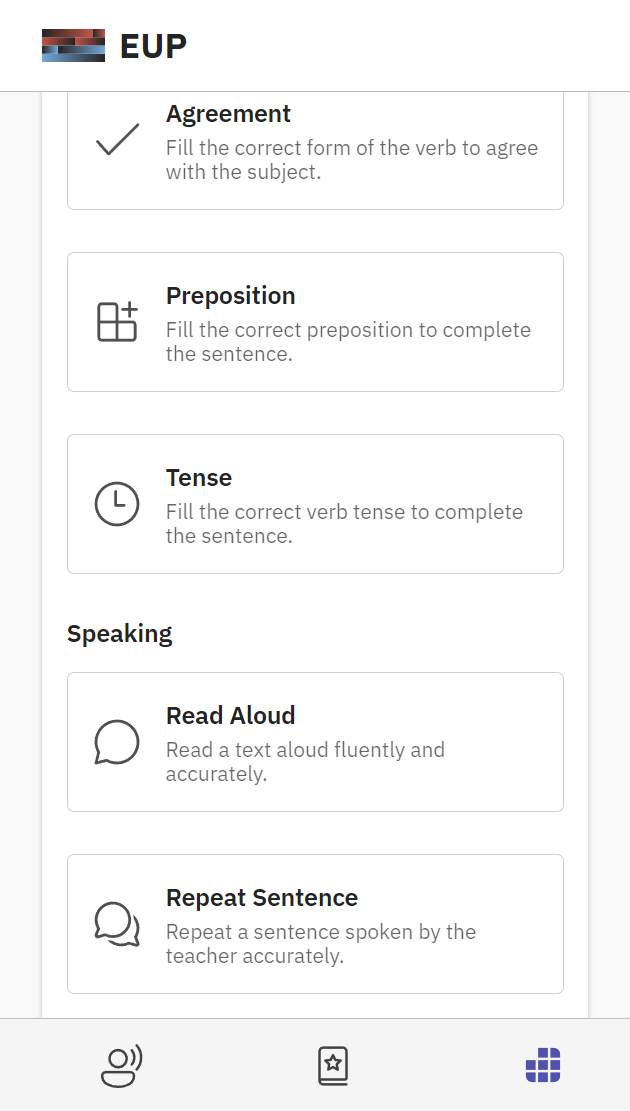
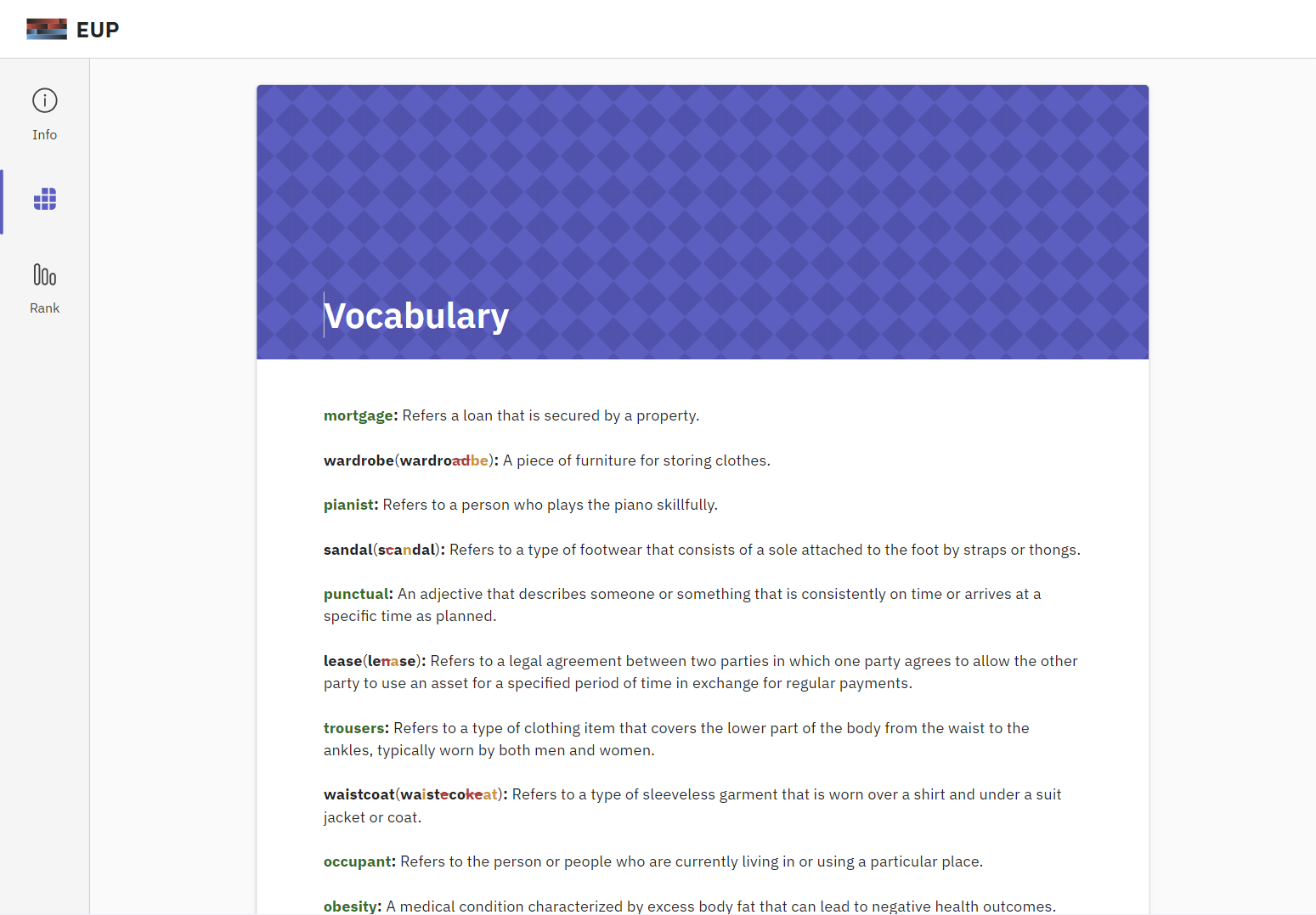
Interactive Practice
Agreement, tense, and read-aloud modules chunked into bite-sized cognitive exercises.
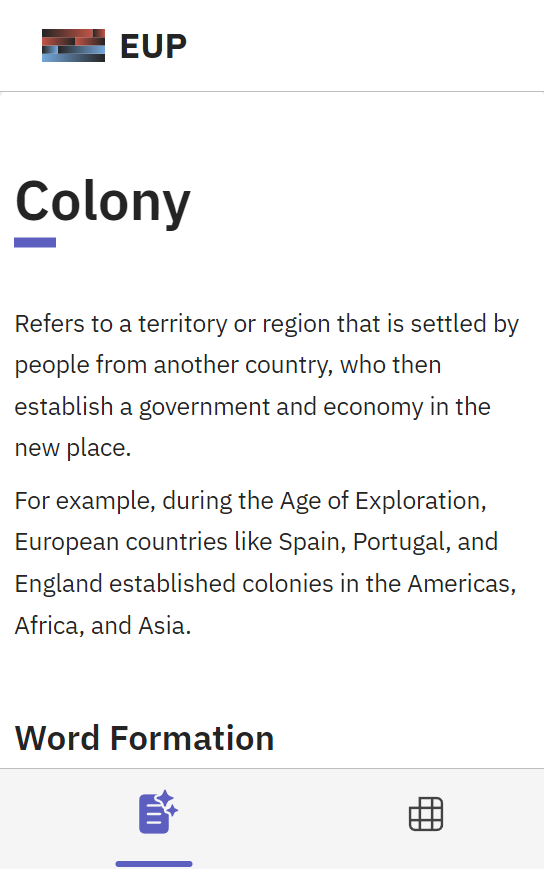
Vocabulary Exploration
Contextual word definitions and morphology breakdown without taking readers out of flow.
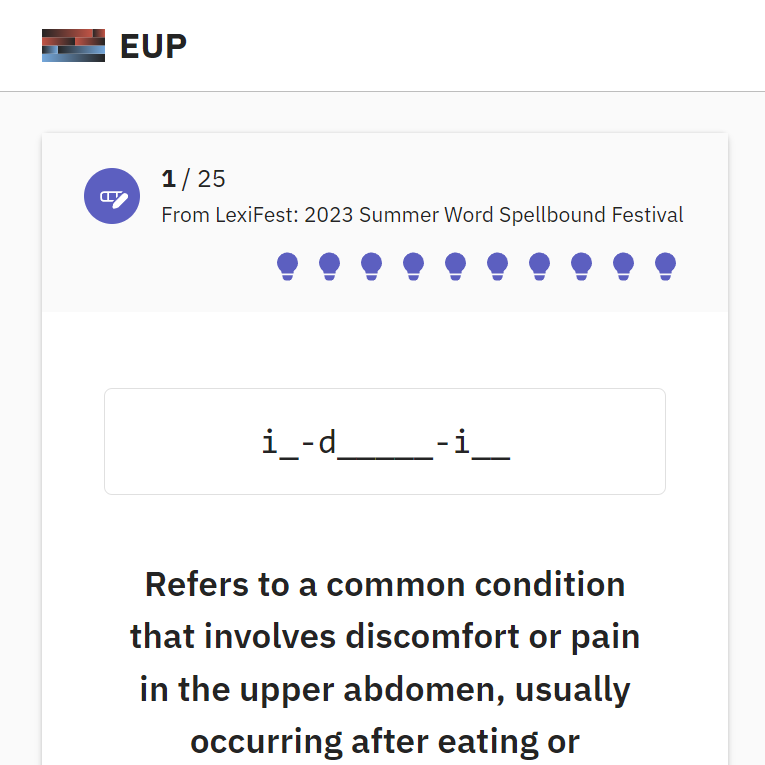
Cognitive Assessment & Spelling
Gamified spelling and vocabulary checks that evaluate active retrieval with progressive hints.
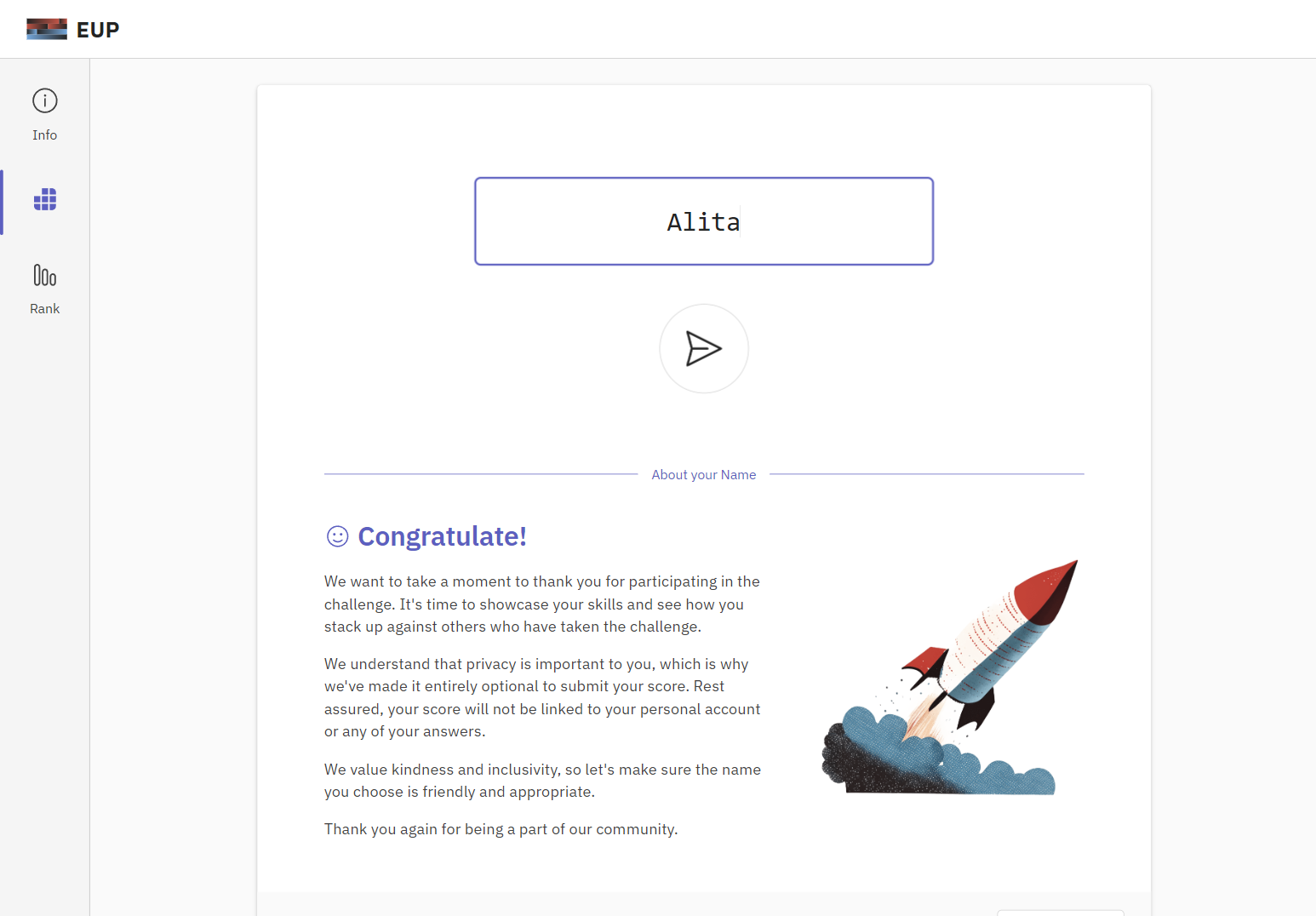
Positive Reinforcement & Privacy
Encouraging completion screens designed to build self-efficacy without competitive pressure.
DEMAND LOOP
How the demand loop works.
Feature decisions came from user-demand analysis, feedback conversations with the people around the reader, turned into concrete changes in the reading experience.