Recative / Interactive Video Engine
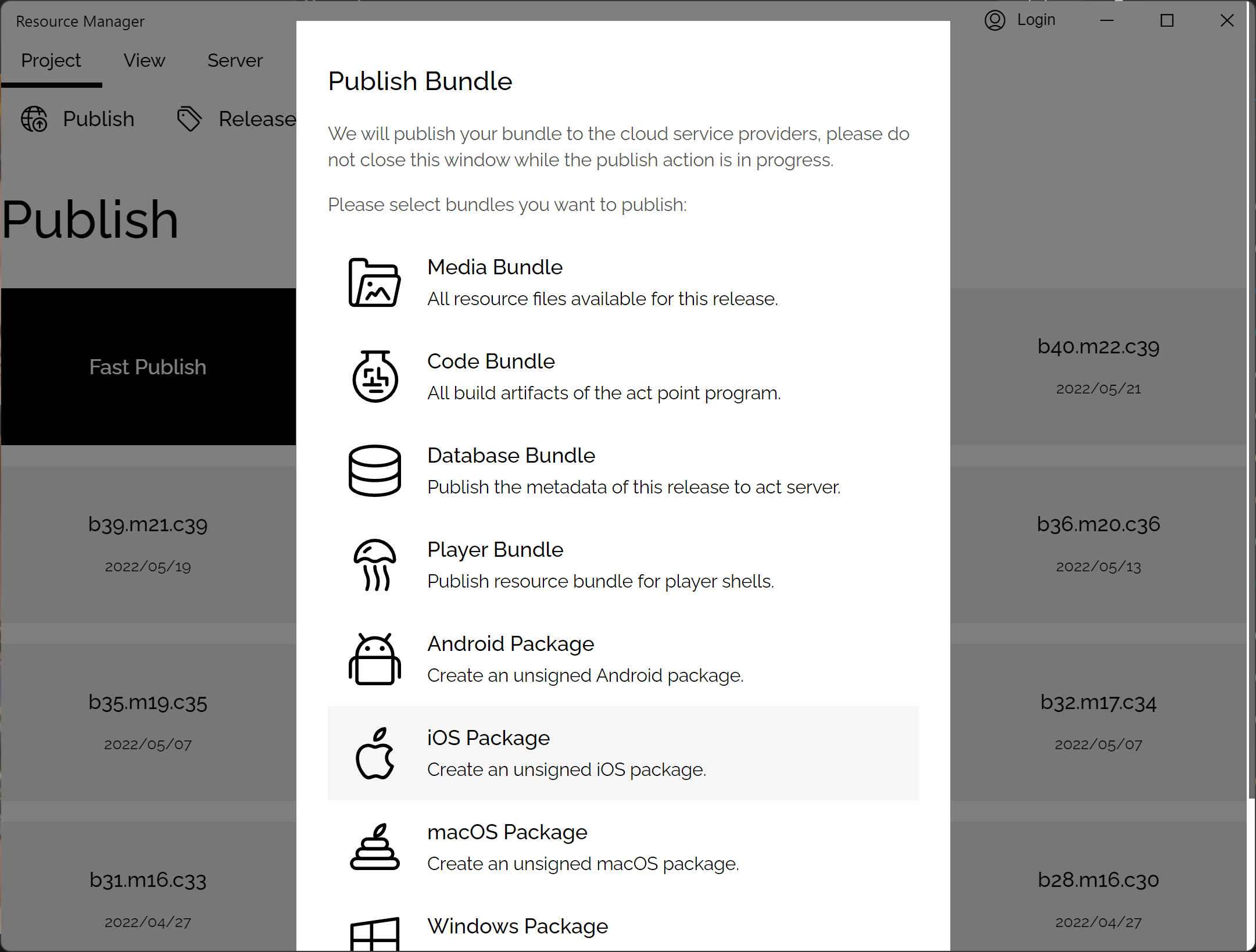
Recative System is open-source tooling for interactive video, built under my own studio (Dehydration Culture), born from a market analysis of where authoring tools fail educators.

TL;DR
- Analyzed video-consumption trends and 12+ authoring tools across three complexity tiers.
- Found a linear tradeoff between product complexity and user engagement, with video sitting at the balance point.
- Built a toolkit to push past it.
Role
Research, system design & engineering
Domain
Interactive video, education
Output
Open-source toolkit
TREND RESEARCH
The trend research
Short-form video is rising while attention spans shrink, a pattern visible in the business data shared by YouTube and TikTok creators.
Platforms have run interactive experiments: Netflix tried branching choices, Bilibili added pop-ups and voting. But these stay simple in form, follow a single storyline, and carry limited educational value.
The finding: video strikes the optimal complexity/engagement balance, yet constrains depth and interactivity.
COMPETITIVE LANDSCAPE
The competitive landscape
12+ authoring tools across three complexity tiers show a near-linear tradeoff: the more a tool can express, the fewer educators can afford to use it.
THE SYSTEM
The system
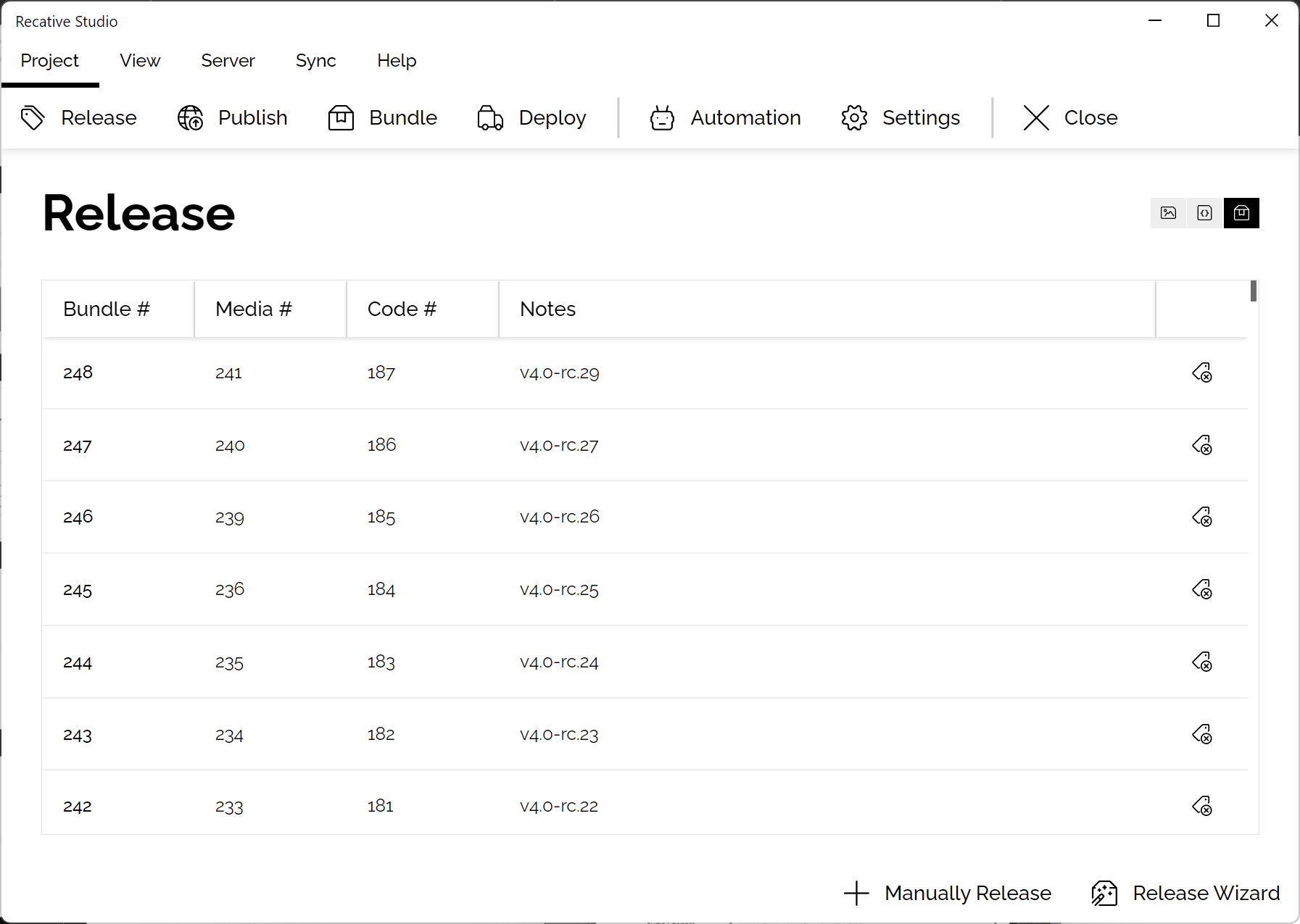
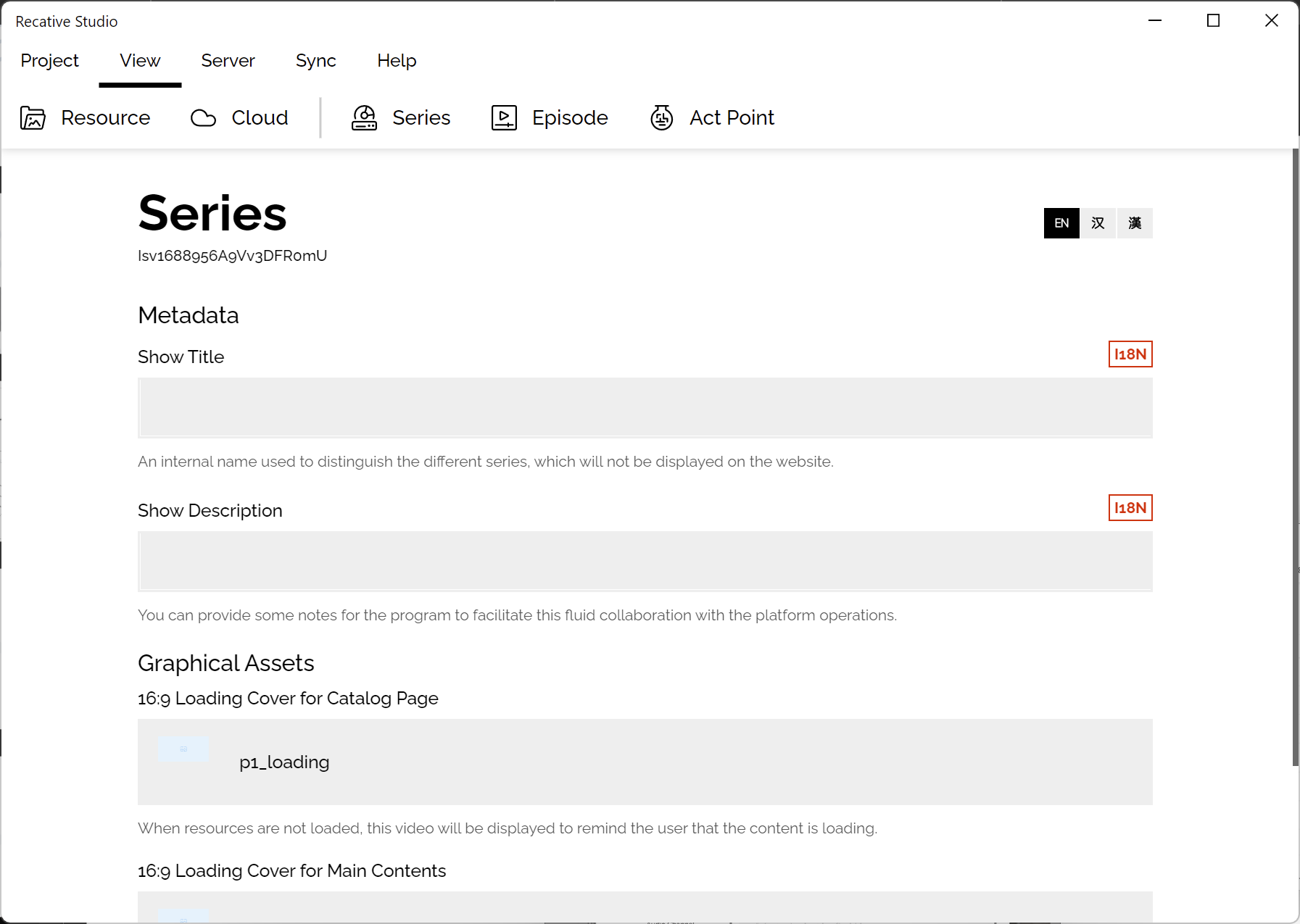
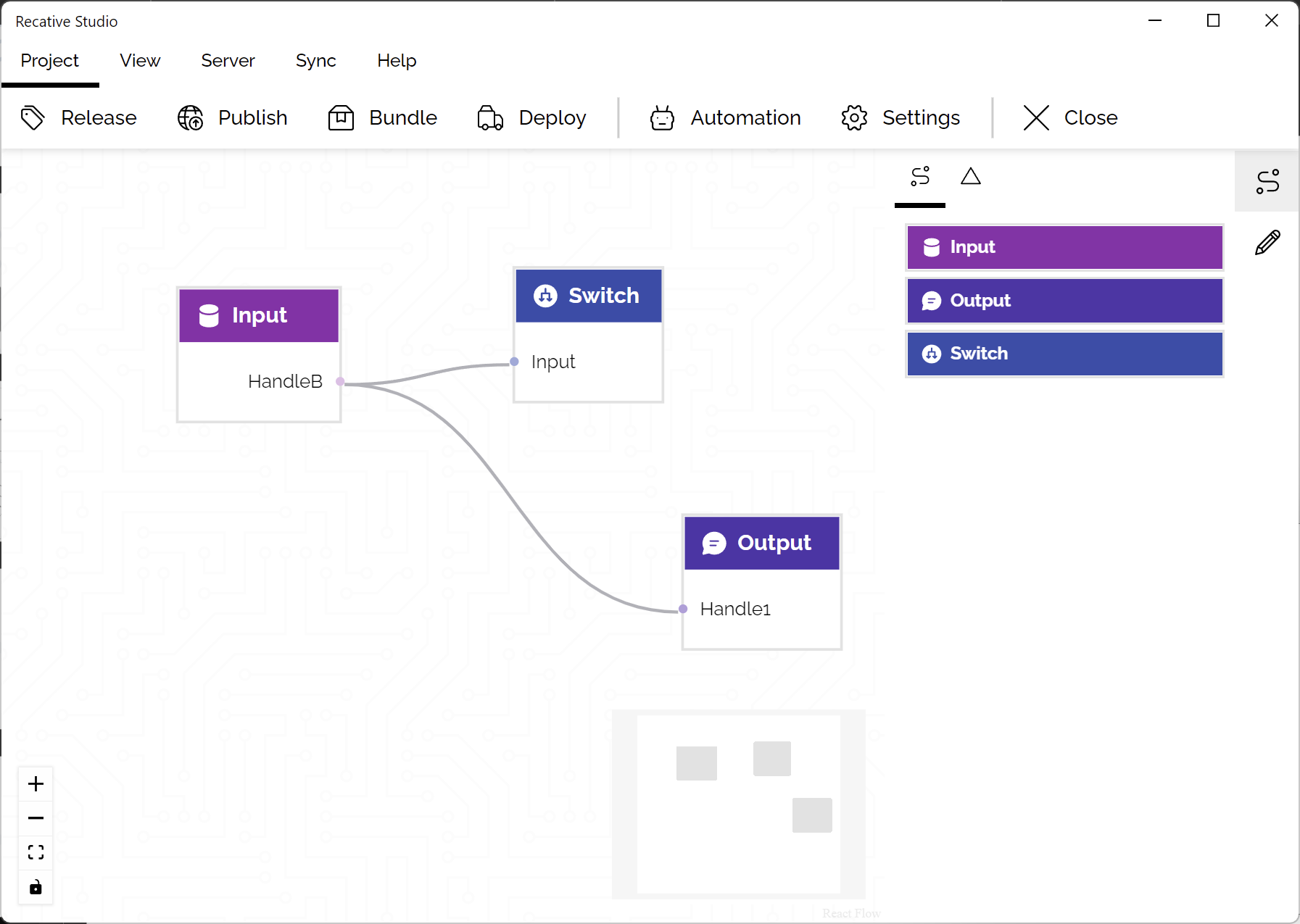
Rich multimedia presentation
Combine video, audio, and interactive layers in one experience.
User engagement with learning feedback
Interactions respond to the learner, not just the timeline.
Flexible content creation
Authoring that fits educator workflows instead of fighting them.
Scalability
From a single episode to a full series without re-architecting.
THE ARCHITECTURE
A three-level content model
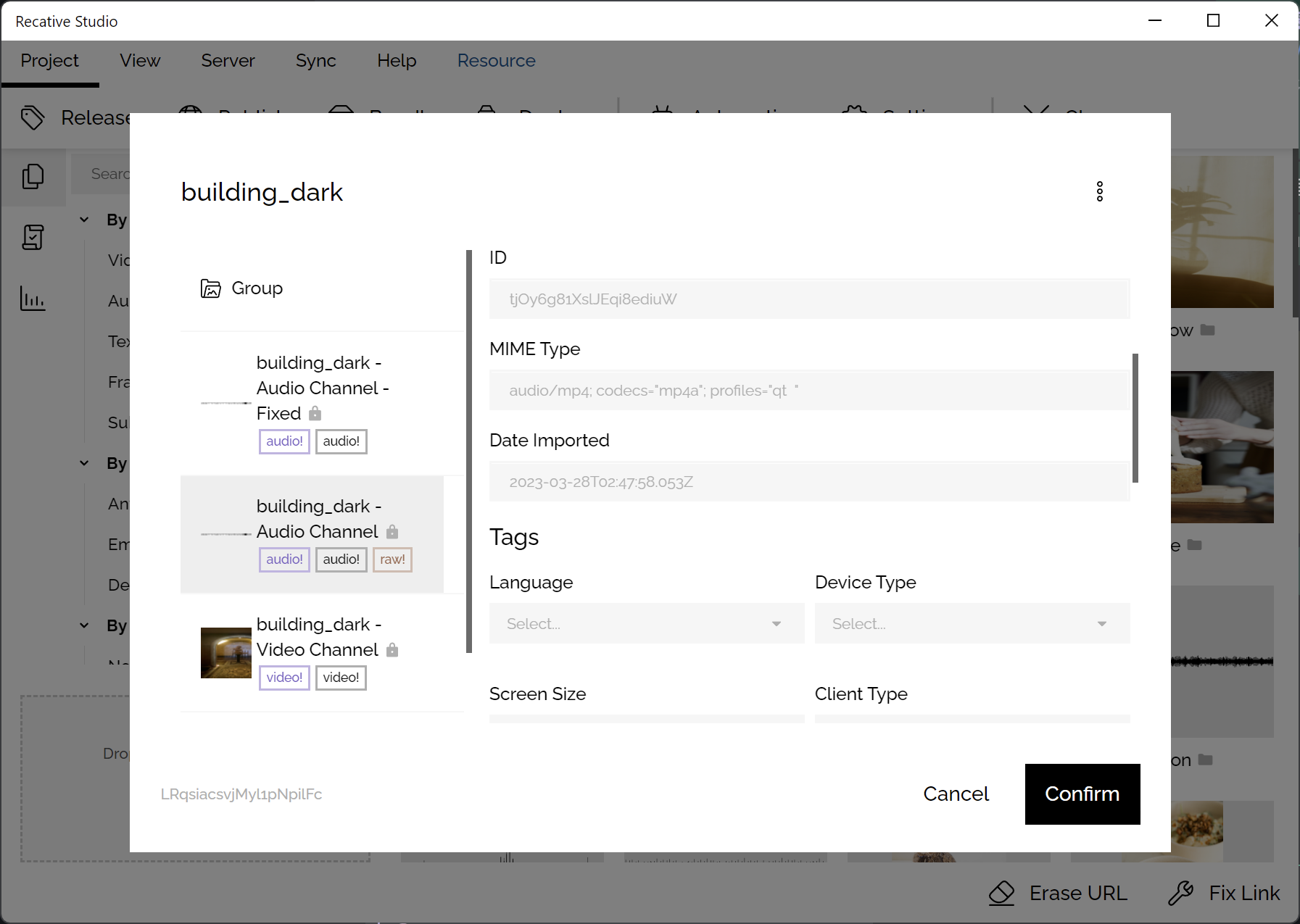
Asset
The smallest independent content unit.
Episode
The unit of data loading and lifecycle management.
Series
Orchestration of multiple episodes.
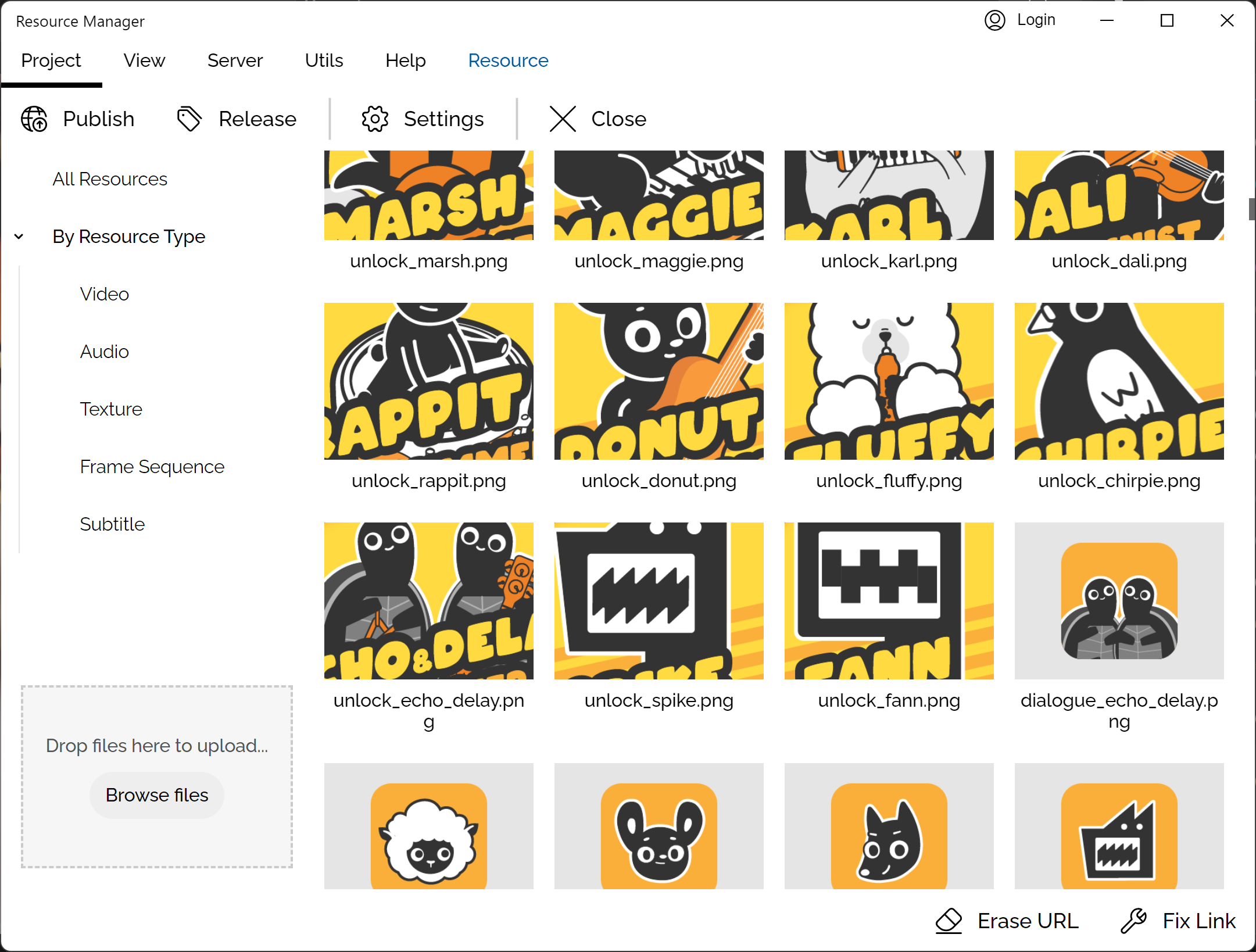
@recative/ap-core
Utility toolkit.
@recative/act-player
React rendering components.
@recative/core-manager
Lifecycle management.
Design tradeoff:
Preloading speeds up revisitsvsmemory footprintREFLECTION
Tools earn trust at the edges.
Building authoring tools forces every assumption about “intuitive” interfaces to survive contact with real workflows, imports, exports, and error states decide whether authors trust a tool.
“An authoring tool is a promise that the author’s time won’t be wasted.”